Warehousing · 6 min read
How to Choose a 3PL in the Inland Empire: 9 Questions to Ask
How to choose a 3PL in the Inland Empire: nine questions to ask about location, in-house services, receiving, inventory counts, order flow, rework, and freight.
By The Papez Company · Published
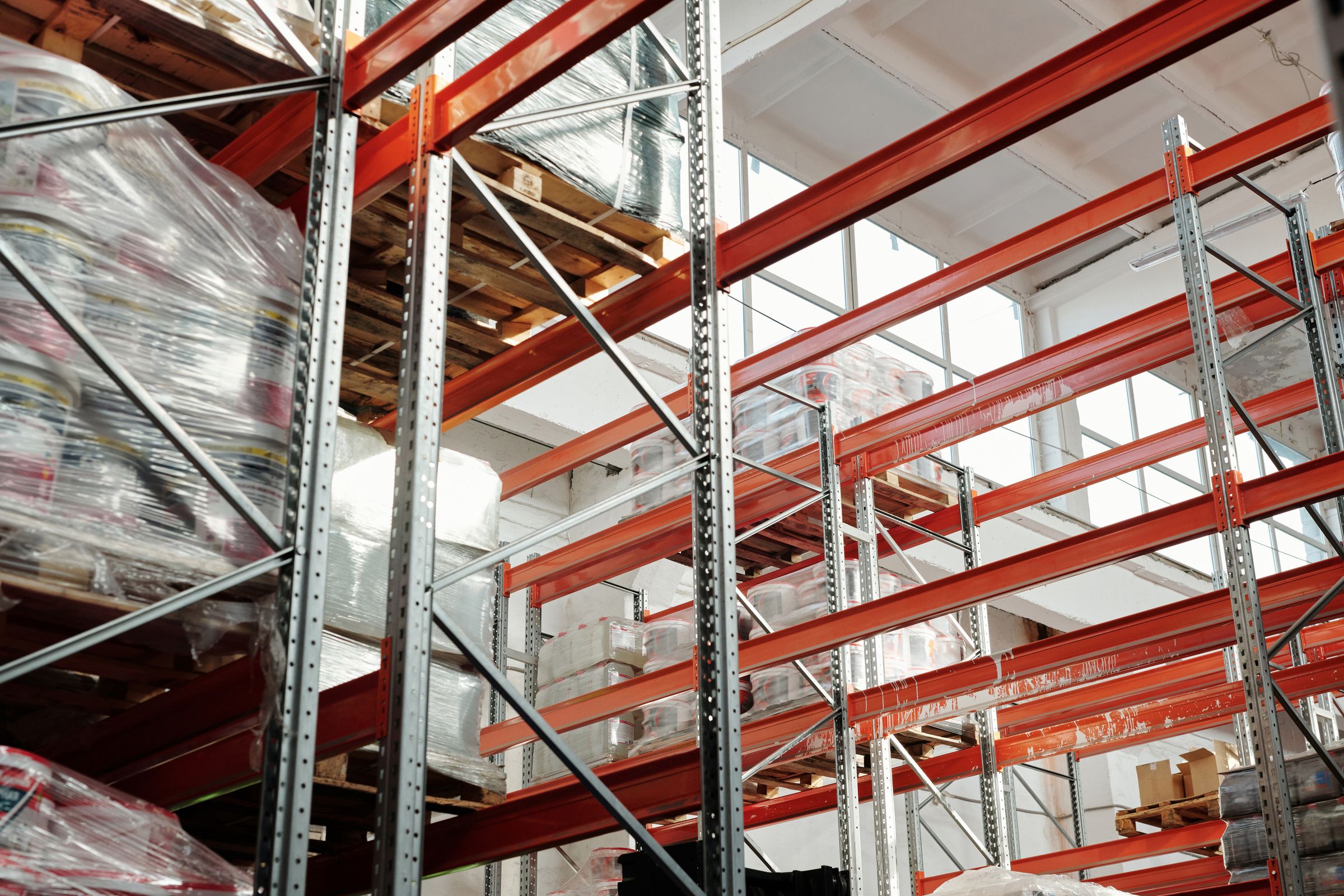
Choosing a 3PL in the Inland Empire means picking the third-party warehouse that receives, stores, picks, packs, and ships your inventory. Most look the same from the parking lot: racking, dock doors, a forklift or two, a rep with a rate sheet. The differences that matter show up in day-to-day operation, and you only learn them by asking.
Below are nine questions to ask any 3PL before you sign. The goal is not to catch anyone out. It is to learn how the building will handle your product, so what you hear on the sales call matches what happens on the floor six months later.
A test for every answer: could you write it down as a step-by-step procedure? If not, you were given a promise, not a process.
Start with where the 3PL sits in the Inland Empire
1. Where are you relative to the ports and to my customers?
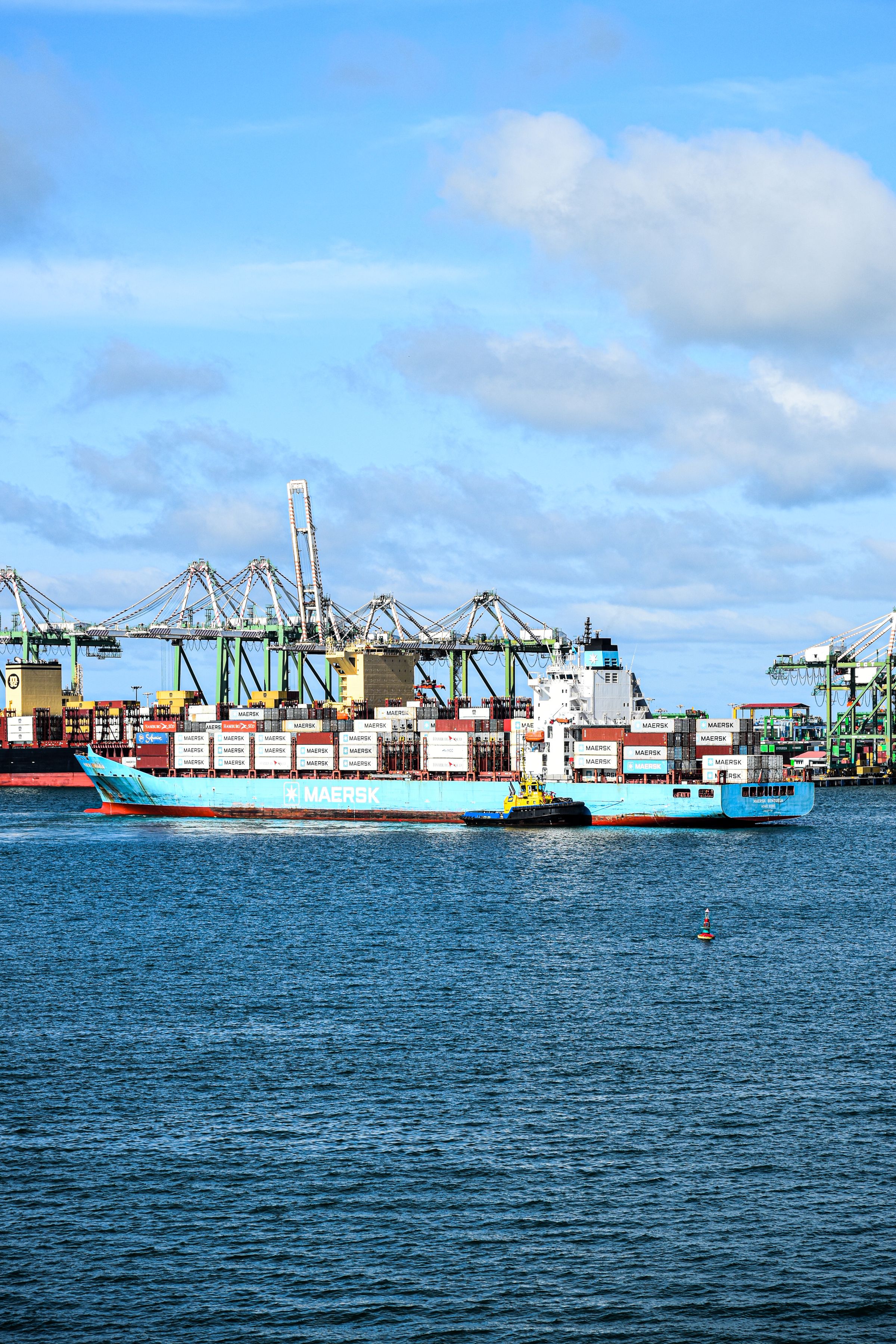
Every pallet you store pays for two trips: inbound from wherever product originates and outbound to whoever buys it. Being close to the Ports of Los Angeles and Long Beach shortens drayage for importers. Being close to your customers shortens delivery. The Inland Empire can serve both, but the exact spot in the region still matters, and freeway access matters more than mileage.
A good answer gives a real distance to the port complex, names the freeway corridors the building sits on, and asks where your orders ship before calling the location ideal. Be wary of anyone who discusses location without asking about your customers.
What happens inside the building
2. Which services do you perform in-house, and which do you subcontract?
Storage, pick and pack, rework, and freight booking are often sold as one package. Sometimes they all happen under one roof. Sometimes rework is farmed out, freight is quoted by a broker two states away, or e-commerce orders are trucked elsewhere to be packed. Every handoff adds time, a chance for error, and another party to chase.
A good answer is a plain list: this we do here, this we arrange through someone else, and here is who is accountable for each. Using outside carriers or specialists is fine. Not being told is not.
3. How do you handle receiving, and what happens when the count is off?
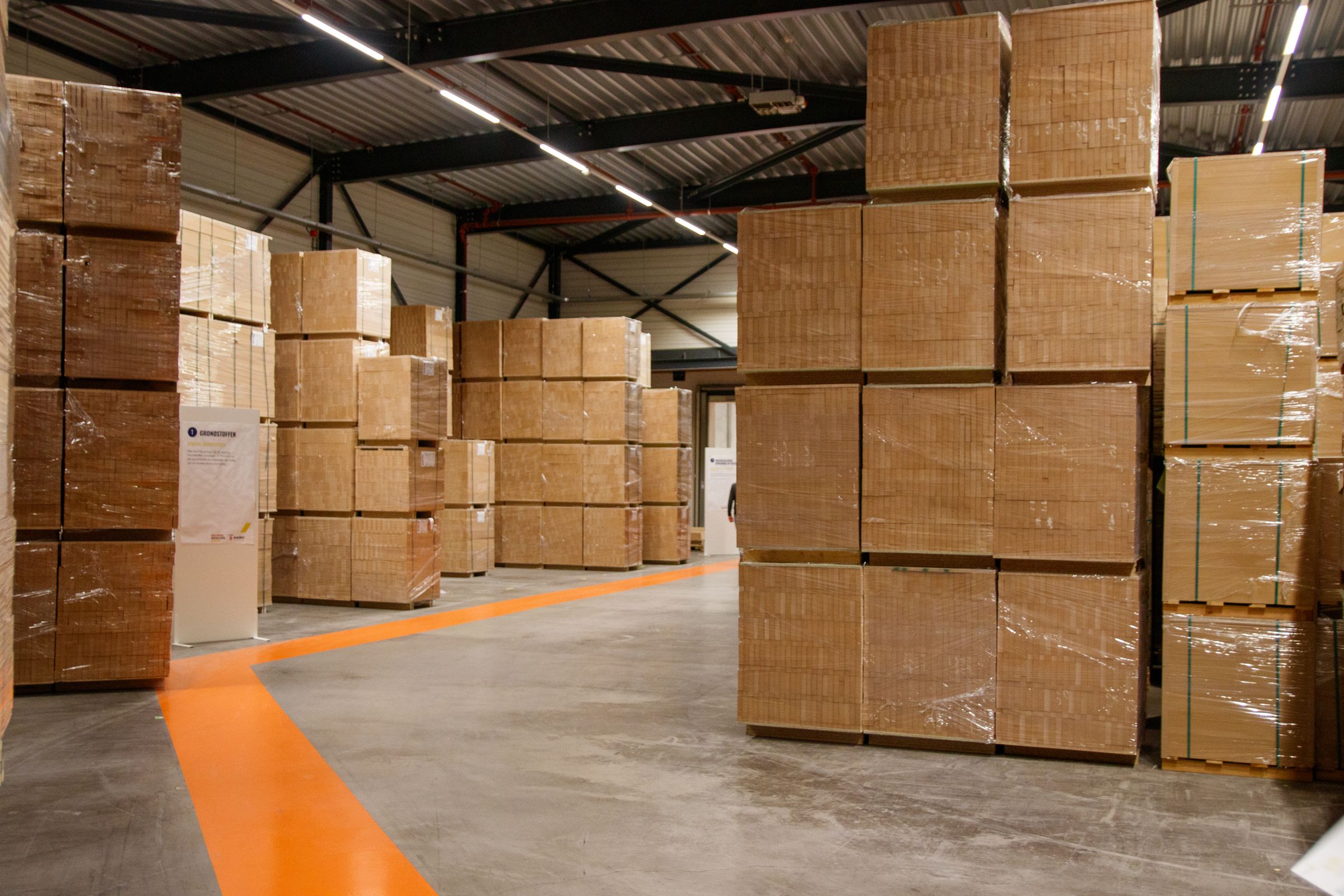
Receiving is where most inventory problems are born. If a container is put away without being counted against the packing list, a short shipment becomes phantom stock you discover when an order cannot be filled. The same goes for damaged cartons and mislabeled SKUs.
Listen for a process: product is counted at the dock, compared to your paperwork, and discrepancies reported before anything goes on a shelf. Ask how damage is documented, how quickly you hear about it, and if you can send notice ahead of a delivery. Vague answers usually mean the counting happens later, or not at all.
4. How is inventory counted, and how do I see the numbers?
Once product is put away, you need to know it stays where the records say it is. Ask if every SKU gets a fixed location, how often counts are done, and what triggers a recount. Then ask how you get the numbers: a scheduled report, a file on request, or something you can check yourself.
A good answer describes the counting discipline in specific terms and does not oversell the reporting. The basics of inventory management in a third-party warehouse are simple: a location for every SKU, counts on a schedule, and a number you can trust when you plan a purchase order.
How orders reach the floor
5. How do my orders get to you?
An order in your system is not yet an order the warehouse can pick. Ask how orders arrive: sent on a schedule, pulled from your store, emailed as a spreadsheet, or keyed in by hand. Then ask when an order must be in to ship that day, and what happens to the ones that miss it.
A good answer covers the normal path and the exceptions: rush orders, address changes after release, and cancellations. If someone re-types your orders, ask how errors are caught before the box is sealed.
6. Do you handle B2B and e-commerce differently?
A single unit in a poly mailer and a pallet of cases with a retailer's routing guide are different jobs. E-commerce is about speed and volume of small orders. B2B is about compliance: correct pallet build, labels, and paperwork, delivered inside the receiver's window. Treat them the same and you will be slow at one and sloppy at the other.
Ask which one the operation was built around and how the other is staffed. A good answer explains how pick and pack for parcels is separated from case and pallet picking, and who checks retailer requirements before a B2B order leaves the dock.
When the product is not right
7. What happens when packaging or labels are wrong?
It will happen. A supplier ships in the wrong master carton, a marketplace changes a label requirement, or a retailer rejects a shipment because the barcode is on the wrong panel. The question is if the warehouse can fix it on the floor, or if product has to leave the building and come back.
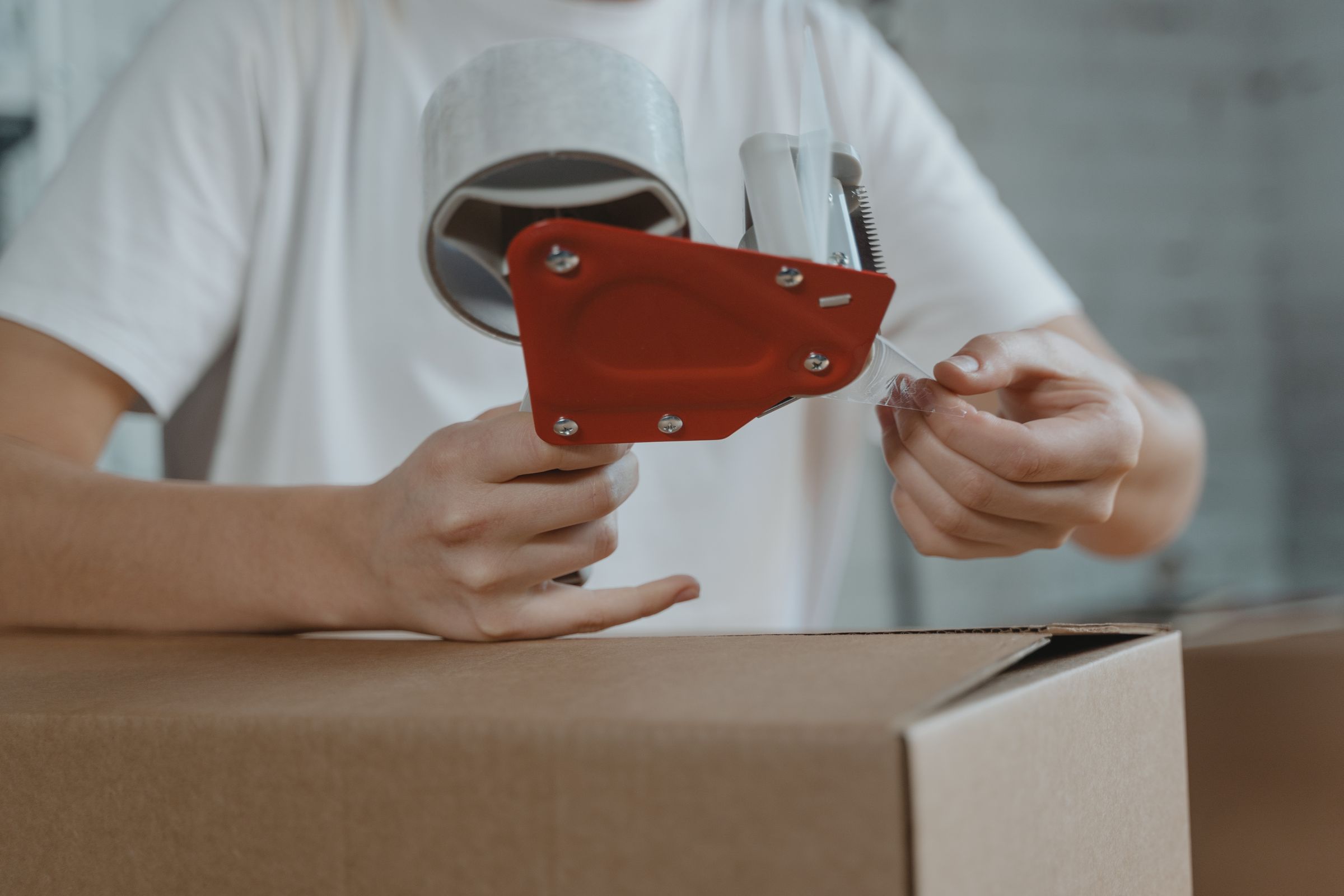
A good answer treats rework as routine: relabeling, repackaging, rebuilding cases, replacing inserts, all done on inventory already in storage. Ask how the labor is quoted, how the spec is confirmed before work starts, and how reworked units are kept apart from originals until the job is checked.
Freight and the person on the other end of the phone
8. How is freight quoted and booked?
Outbound freight is often the largest line on the invoice after storage and labor. Ask who gets the quotes, how many carriers are asked, how LTL and full truckload differ, and who schedules the pickup. Ask if you can bring your own carrier accounts.
A good answer is straightforward about margin. Some warehouses pass carrier cost through with a handling fee, some mark it up, some do both. What matters is that you can see it. Ask how freight shipping and receiving is coordinated for an expedited pickup versus a standard one, and how you learn a truck is booked.
9. Who do I actually talk to?
The person who sold you the account will rarely be the one who answers when a receiving count is off. Ask who that person is, how many accounts they manage, if they walk the floor, and what happens when they are out.
A good answer names a real point of contact who knows the operation, not a ticket queue. In smaller and family-run warehouses that is often an owner or manager who handles your product directly. In larger operations it may be an account team. What does not work is finding out after signing that nobody in the building knows your account.
Putting the answers to work
How to choose a 3PL comes down to this: put all nine questions to every provider you are considering and compare the answers side by side. Then visit. Watch the receiving dock, look at how inventory is labeled, and check that packing stations suit the orders you ship. The tour tells you if the answers were true.
- Send the questions ahead of the call so the answers come from operations, not only sales.
- Give every provider the same sample: SKU count, order profile, inbound schedule, and where orders ship.
- Write down who your day-to-day contact would be before you sign.
The Papez Company is a family-owned and operated warehouse in Montclair, California, in the Inland Empire, approximately 50 miles from the Ports of Los Angeles and Long Beach. Warehousing, pick and pack, assembly and rework, inventory management, and freight coordination are handled in one FDA registered facility. If you are comparing 3PLs in the Inland Empire, send us the nine questions and we will answer them plainly.