Fulfillment · 6 min read
When to Outsource Pick and Pack: Five Signs You Need a 3PL
When to outsource pick and pack: five signs an e-commerce or B2B business is ready, what changes day to day, what stays with the brand, and how to prepare.
By The Papez Company · Published
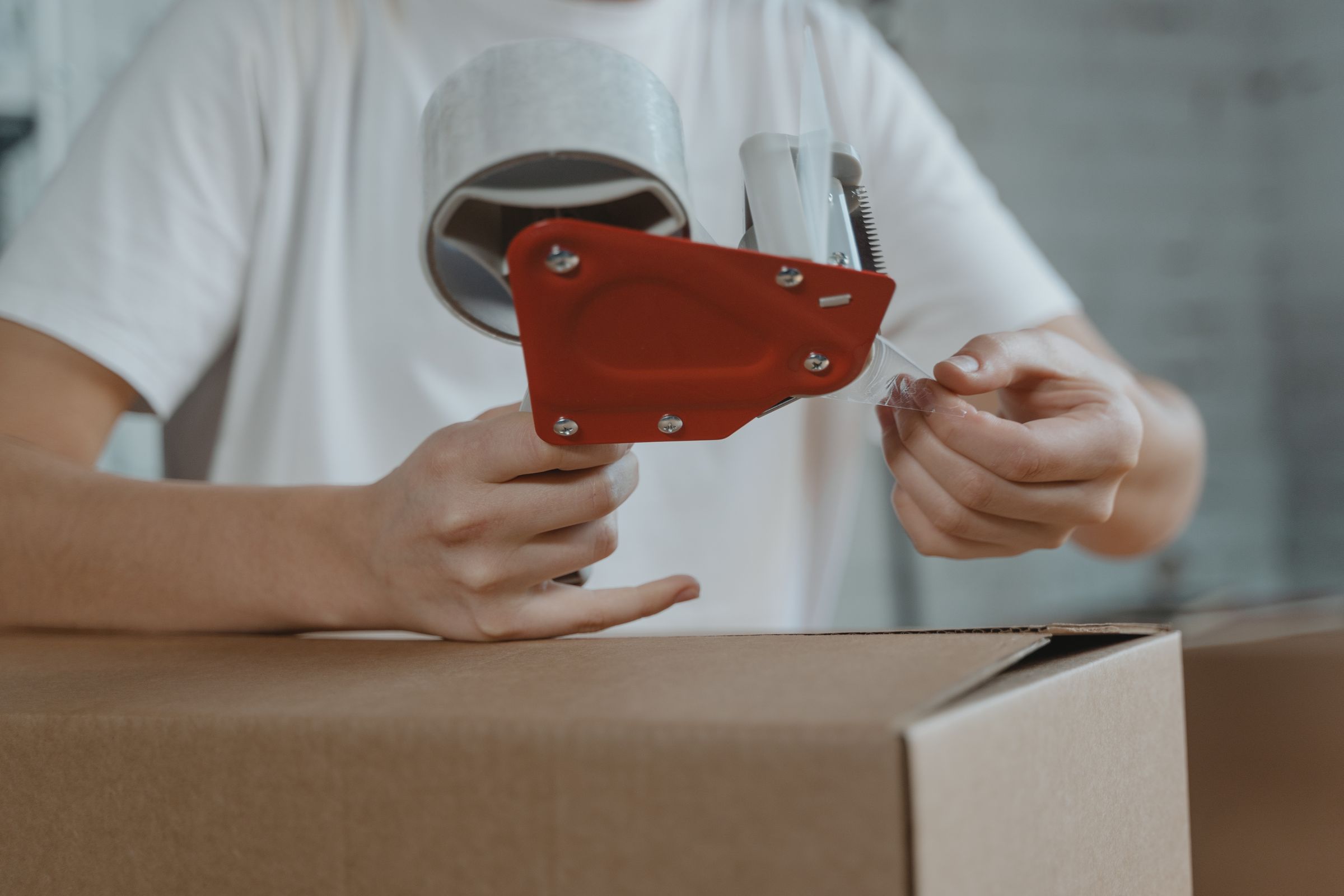
Pick and pack is the part of fulfillment that eats time quietly. Someone walks to the shelf, finds the product, boxes it, prints a label, and stacks it by the door for the carrier. Multiply that by a growing order count and it crowds out everything else, which is when an e-commerce or B2B business should outsource pick and pack.
Nobody schedules that moment. If you suspect it has arrived, this post covers the signs that show up first, what actually changes when a warehouse takes over the packing, what stays with you, and how to prepare for the first conversation with a fulfillment warehouse.
Five signs your team is spending too much time on boxes
The owner is packing orders
The person who should be selling, buying, or planning the next product is taping cartons at the end of the day because nobody else is available. Packing is real work and someone has to do it, but it is the wrong use of the most expensive hour in the company.
Inventory lives in three places
Some product is in the office, some is in a storage unit across town, and some is in the garage of whoever handled the last shipment. Counts do not match the store, and reorders get placed on a guess. When inventory is split up, every order takes longer to fill and every stockout is a surprise.
B2B ship windows are getting missed
Wholesale and retail accounts ship on routing guides and appointment windows, not whenever the box happens to be ready. A missed window can mean a chargeback, a refused delivery, or a purchase order that quietly does not get renewed. If the team is scrambling to build pallets the morning a truck is due, the process has already outgrown the space.
There is no room for a new SKU
Adding a product should be a merchandising decision, not a question of where the cases will physically go. The same applies to a container: if a full shipment cannot be received and put away without stopping order fulfillment, the building is the bottleneck.
Seasonal spikes break the routine
A busy quarter should be good news. Instead it means temporary labor trained on the fly, late nights, and error rates that climb when customers are paying the most attention. A business that dreads its own peak season is a candidate for outsourced fulfillment.
If two or more of these describe a normal week, those are the signs you need a 3PL. The question is no longer whether to outsource pick and pack but how soon.
What outsourcing fulfillment to a 3PL actually changes day to day
The mechanical change is simple. Your inventory is received into a warehouse, put away by SKU, and picked and packed by warehouse staff as orders arrive. Carriers pick up from their dock instead of yours. Your team stops handling product.
The practical changes show up in a few places:
- Order handling moves to people whose whole job is receiving, picking, packing, and shipping.
- Inventory sits in one location with one count, so what the store shows and what is on the shelf can finally agree.
- B2B orders are palletized, labeled, and staged for scheduled pickups by a crew that works to routing requirements every day.
- Peak volume is absorbed by warehouse labor and warehouse space rather than by your payroll and your floor.
- Boxes, mailers, labels, and packing material live at the warehouse instead of in your hallway.
You keep deciding: which products to carry, how each one is packed, which carriers and service levels to use, and what a normal ship day looks like. The warehouse executes. A well-run pick and pack operation reports back on receipts, on-hand counts, and shipments so you can see the work without being in the building.
What stays with the brand
Outsourcing fulfillment does not mean outsourcing the business. The pieces that make customers choose you are still yours to run.
- Product. Sourcing, quality, pricing, and the decision to add or retire a SKU.
- Marketing. The store, the listings, the ads, the email list, and the promotions that drive order volume.
- Customer relationships. Support, returns policy, wholesale account management, and the conversations that turn a first order into a repeat one.
- Packaging design. The warehouse packs to your spec, with your inserts and branded materials if you supply them.
The warehouse becomes the hands. You remain the head. That split is why the preparation step below matters: the clearer your instructions, the better the execution.
How to prepare before you call a warehouse
A fulfillment warehouse can scope the work faster when you show up with three things.
- A SKU list. Every product you sell, with dimensions, weight, case pack, and how it is currently stored: loose, cartoned, or palletized. List variants as separate lines. If you sell kits or bundles, list the components.
- Packaging specs. What box or mailer each product ships in, what goes inside (inserts, packing material, marketing cards), and any rules such as fragile handling or products that cannot ship together. If you have B2B accounts, include their labeling and pallet requirements.
- An order volume estimate. Average orders per week, the split between e-commerce parcels and B2B shipments, the typical number of units per order, and what your busiest month looks like next to a normal one. Ranges are fine. A warehouse needs to size labor and space, not audit you.
Also know where your inventory is today, how it will get to the warehouse, and whether any of it is headed to a marketplace. Sellers who forward stock to Amazon fulfillment centers or Walmart's fulfillment network should say so up front, since prep requirements differ from direct-to-customer orders.
Questions to ask a fulfillment warehouse
Once you have the list, the specs, and the estimate, the conversation gets specific. These questions separate a warehouse that has done this before from one that has not.
- How do orders reach you, and how do you confirm to me that they shipped?
- How are inbound shipments received and counted, and what happens when the count does not match my paperwork?
- How do you track on-hand inventory, and how often can I see it?
- What happens to an order that arrives late in the day, and how are rush orders handled?
- Can you fill e-commerce parcels and palletized B2B orders from the same inventory?
- Who do I call when something goes wrong, and is that the same person next month?
- How are fees structured: storage, receiving, per order, per unit, packaging materials, and anything else?
- Can you do assembly, rework, or repackaging on inventory already in the building?
- How far are you from the ports and from the freeways my freight actually uses?
Listen closely to the inventory answer. Trustworthy counts let you reorder on time and sell without overselling, so ask how receipts, adjustments, and on-hand quantities are recorded and reported. The inventory management page describes what that tracking should cover.
The last question matters more than it looks. For a business importing through the Ports of Los Angeles and Long Beach or selling into the Los Angeles market, a warehouse in the wrong part of the region adds a truck leg to every container and every pallet.
Where The Papez Company fits
The Papez Company is a family-owned and operated third-party logistics warehouse in Montclair, California, on the western edge of the Inland Empire and approximately 50 miles from the Ports of Los Angeles and Long Beach. We operate an FDA registered facility. We receive, store, pick, pack, and ship for e-commerce and B2B customers, prep and forward inventory to Amazon fulfillment centers and Walmart's fulfillment network, coordinate LTL and FTL freight, and handle assembly, rework, and repackaging.
If the signs above sound like your week, the e-commerce fulfillment page describes how orders are handled here. A SKU list and a rough volume estimate are enough to request a quote.